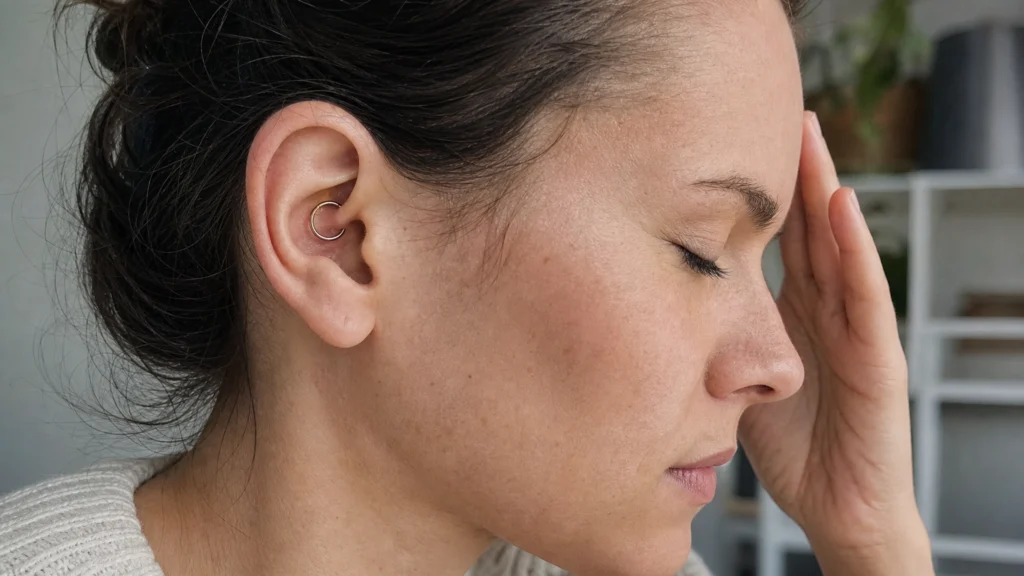
Most people experience stress from time to time.
Deadlines at work, financial responsibilities, family commitments, health concerns, and major life changes can all create pressure. In small amounts, stress can even be helpful, motivating us to stay focused and respond to challenges.
The problem arises when stress becomes constant.
When the body remains in a prolonged state of stress, the effects can extend far beyond emotional well-being. Chronic stress can influence physical health, daily functioning, relationships, and overall quality of life.
Understanding how stress affects both the mind and body can help individuals recognise when it may be time to prioritise their mental wellbeing.
What Happens When Stress Becomes Chronic?
Stress triggers the body’s natural « fight-or-flight » response.
During stressful situations, hormones such as cortisol and adrenaline are released to help the body respond to perceived threats.
This response is useful during short-term challenges. However, when stress continues for weeks, months, or even years, the body may remain in a prolonged state of heightened alertness.
Over time, this can affect multiple systems throughout the body.
Stress Can Affect Your Sleep
One of the earliest signs of chronic stress is often poor sleep.
People experiencing ongoing stress may find it difficult to:
- Fall asleep
- Stay asleep
- Achieve restful sleep
- Wake up feeling refreshed
Unfortunately, poor sleep can also make stress feel more difficult to manage, creating a cycle that becomes increasingly challenging to break.
Stress Can Affect Physical Health
While stress is often thought of as an emotional issue, it can also contribute to physical symptoms.
Common stress-related physical symptoms include:
- Headaches
- Muscle tension
- Neck and shoulder pain
- Fatigue
- Digestive discomfort
- Changes in appetite
Some individuals may not immediately recognise that these symptoms can be linked to ongoing stress.
Instead, they may assume the symptoms are caused solely by physical health conditions.
Stress Can Affect Relationships
When stress levels remain elevated for long periods, emotional resources may become depleted.
People experiencing chronic stress may notice:
- Increased irritability
- Reduced patience
- Difficulty concentrating
- Emotional withdrawal
- Less enjoyment in social activities
These changes can place strain on personal relationships, family life, and workplace interactions.
In some cases, loved ones may notice the impact of stress before the individual does.
Stress Can Affect Productivity And Performance
Many people attempt to push through stress by working harder or ignoring how they feel.
However, chronic stress can affect:
- Focus
- Decision-making
- Memory
- Motivation
- Productivity
Tasks that once felt manageable may begin to feel overwhelming.
This can further increase stress levels, creating another cycle that becomes difficult to escape without support.

When Stress Starts Affecting Mental Wellbeing
Feeling stressed occasionally is a normal part of life.
However, chronic stress can sometimes contribute to more significant mental health challenges if left unaddressed.
Individuals experiencing prolonged stress may begin to notice:
- Persistent worry
- Low mood
- Emotional exhaustion
- Difficulty coping with everyday responsibilities
- Loss of interest in activities they previously enjoyed
Over time, ongoing stress may increase the risk of developing conditions such as anxiety or depression.
This is one reason why addressing stress early is often beneficial.
The Mind-Body Connection
Mental and physical health are closely connected.
When emotional well-being suffers, physical health may also be affected.
Similarly, ongoing physical symptoms can contribute to emotional strain.
This connection highlights the importance of taking a holistic approach to wellbeing rather than viewing mental and physical health as separate issues.
Looking after mental wellness is not only about improving emotional health. It can also support overall health and quality of life.

Healthy Ways To Manage Stress
While it may not be possible to eliminate stress entirely, certain habits can help support mental wellbeing.
These include:
Regular Physical Activity
Exercise can help reduce stress levels and support overall wellbeing.
Adequate Sleep
Prioritising sleep can improve emotional resilience and physical recovery.
Maintaining Social Connections
Talking with trusted friends, family members, or support networks can help reduce feelings of isolation.
Practising Relaxation Techniques
Activities such as mindfulness, deep breathing, or meditation may help some individuals manage stress more effectively.
Seeking Professional Support
When stress begins affecting daily life, professional guidance can provide valuable tools and strategies for coping.
When To Consider Seeking Help
Many people hesitate to seek support because they believe their stress is not « serious enough. »
However, support can be beneficial before stress reaches a crisis point.
It may be worth speaking with a healthcare professional if:
- Stress feels overwhelming
- Symptoms persist for an extended period
- Sleep is consistently affected
- Relationships are suffering
- Daily responsibilities become difficult to manage
- Emotional well-being continues to decline
Early support may help prevent stress from escalating into more significant mental health concerns.
Best Mental Wellness Providers In Singapore
1. Mt Alvernia Mental Wellness
Mt Alvernia Mental Wellness provides support for individuals seeking help with stress, emotional wellbeing, mental health concerns, and personal challenges.
The service adopts a holistic approach that recognises the close relationship between mental and physical health.
Best for:
Individuals seeking professional support for stress management, emotional wellbeing, and mental wellness.
Things to consider:
Seeking support early can often be beneficial before stress begins significantly affecting daily life.
2. Institute of Mental Health (IMH)
Singapore’s national specialist centre for mental health services.
Best for:
Individuals requiring specialised mental health assessment and treatment.
3. Promises Healthcare
Provides mental health and psychological support services for a range of emotional and behavioural concerns.
Best for:
Individuals seeking private mental health support.
Why Seeking Help Early Matters
According to the Singapore Mental Health Study, many individuals experiencing mental health challenges do not seek professional help immediately. Delays often occur because symptoms are minimised, attributed to temporary stress, or viewed as something that should simply be endured.
However, stress-related concerns are often easier to manage when recognised early. Seeking support does not necessarily mean a person has a mental illness. In many cases, it simply provides an opportunity to better understand what is happening, develop healthier coping strategies, and prevent symptoms from worsening over time.
Just as people seek medical advice for persistent physical symptoms, it is equally important to pay attention to changes in emotional well-being.
Final Thoughts
Stress is a normal part of life, but chronic stress should not be ignored.
When stress becomes ongoing, its effects can extend beyond emotional well-being and influence sleep, physical health, relationships, and daily functioning.
Recognising the signs early and taking proactive steps to manage stress can help protect both mental and physical health.
Most importantly, seeking support is not a sign of weakness. It is a practical step towards maintaining wellbeing, building resilience, and improving quality of life.